Summary:
This blog discusses the role of consumers in driving the demand for cruelty-free cosmetics. It examines how consumer awareness, purchasing decisions, and advocacy efforts are influencing the cosmetics industry to adopt more humane practices.
Body:
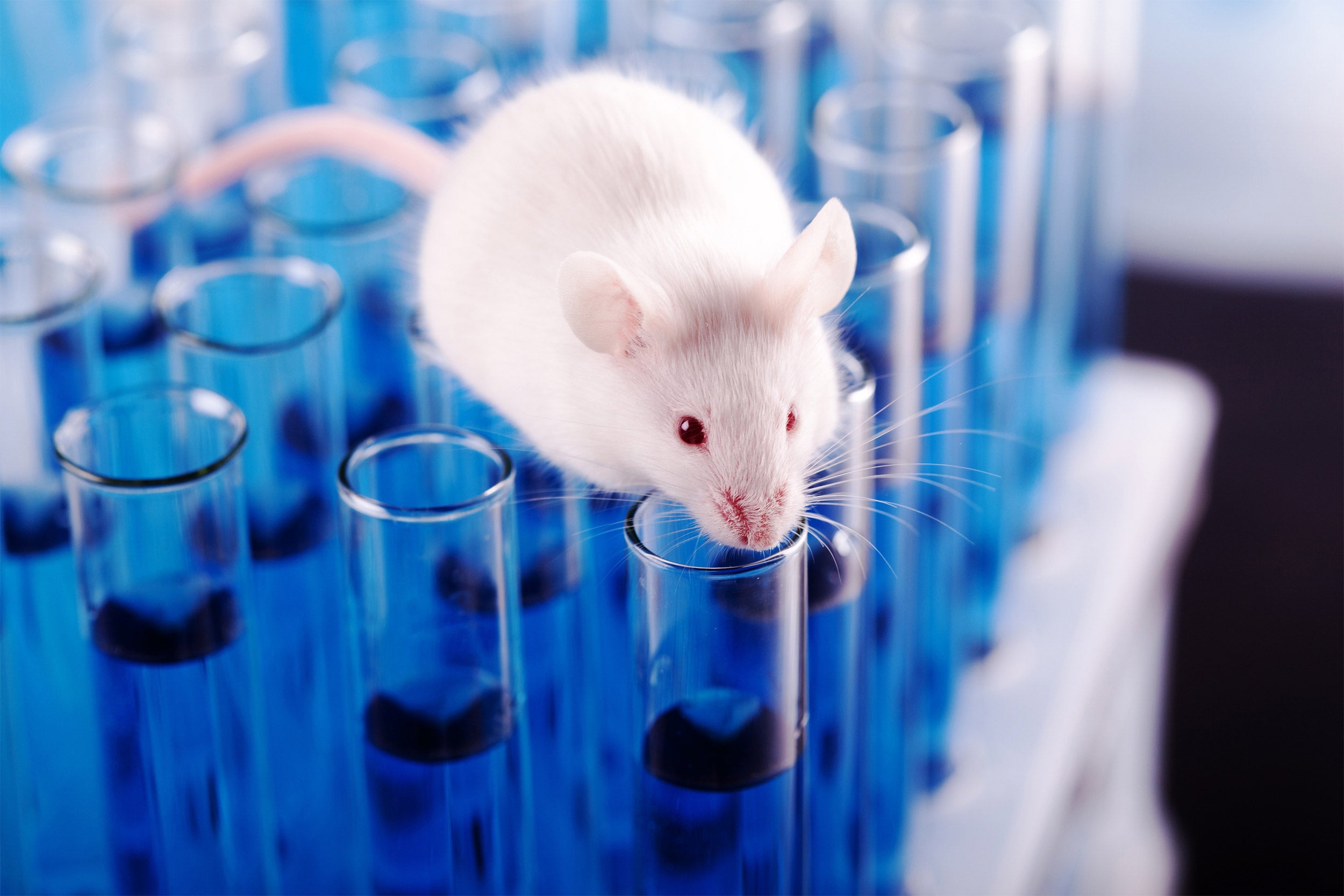
Consumers play a pivotal role in shaping the practices of the cosmetics industry. Over the past few decades, increasing awareness of the ethical issues surrounding animal testing has led to a significant shift in consumer behavior. Today, more and more people are choosing cruelty-free products, driving the demand for ethical alternatives and influencing industry practices.
One of the most powerful ways consumers can drive change is through their purchasing decisions. By choosing products from brands that do not test on animals, consumers send a clear message to the industry about their values and priorities. This shift in consumer demand has prompted many companies to adopt cruelty-free practices and seek certification from organizations like Leaping Bunny and PETA’s Beauty Without Bunnies program.
Certifications and labels play a crucial role in helping consumers identify cruelty-free products. The Leaping Bunny logo, for example, signifies that a product has been independently verified to be free of animal testing at all stages of production. Similarly, PETA’s cruelty-free logo assures consumers that the brand does not conduct or commission animal tests. These certifications provide transparency and build trust, making it easier for consumers to make informed choices.
Social media and online activism have also been instrumental in promoting cruelty-free cosmetics. Platforms like Instagram, Twitter, and YouTube allow consumers to share information, raise awareness, and advocate for ethical practices. Influencers and beauty bloggers often highlight cruelty-free brands, amplifying their reach and encouraging their followers to make ethical choices.
Public awareness campaigns and petitions have also been effective in driving change. Organizations like Cruelty-Free International and The Humane Society have launched numerous campaigns to educate consumers about the realities of animal testing and advocate for legislative changes. These efforts have helped to build a global movement towards cruelty-free cosmetics.
Consumers can also influence the industry by supporting legislative initiatives aimed at banning animal testing for cosmetics. By signing petitions, contacting legislators, and participating in advocacy efforts, consumers can help push for stronger regulations that protect animals. In recent years, these efforts have led to significant legislative victories, including bans on animal-tested cosmetics in the European Union, India, and several U.S. states.
The growing demand for cruelty-free cosmetics is having a profound impact on the industry. Many major brands are now adopting cruelty-free practices, driven by consumer demand and ethical considerations. Companies like Lush, The Body Shop, and Urban Decay have built their brands around cruelty-free principles, proving that it is possible to succeed in the beauty industry without harming animals.

The influence of consumers in driving the demand for cruelty-free cosmetics cannot be overstated. By making informed choices, raising awareness, and advocating for legislative changes, consumers have the power to transform the industry and promote more humane practices. As the movement towards cruelty-free cosmetics continues to grow, it is clear that consumers will play a key role in shaping the future of beauty.


No comments:
Post a Comment