Summary:
This blog explores the scientific advancements in alternatives to animal testing in the cosmetics industry. It covers in vitro testing, in silico models, and organs-on-chips, highlighting their benefits, limitations, and impact on reducing animal cruelty.
Body:
The cosmetics industry is increasingly turning to alternative methods for safety testing that do not involve animals. These alternatives are not only more ethical but often more reliable and cost-effective. Some of the most promising methods include in vitro testing, in silico models, and organs-on-chips.
In vitro, testing involves using human cells and tissues to assess the safety and efficacy of cosmetic products. These tests can provide more relevant data on human reactions compared to animal tests, which often fail to accurately predict human outcomes. For example, reconstructed human epidermis (RHE) models are used to test for skin irritation and corrosion, providing a humane and scientifically valid alternative to animal testing.
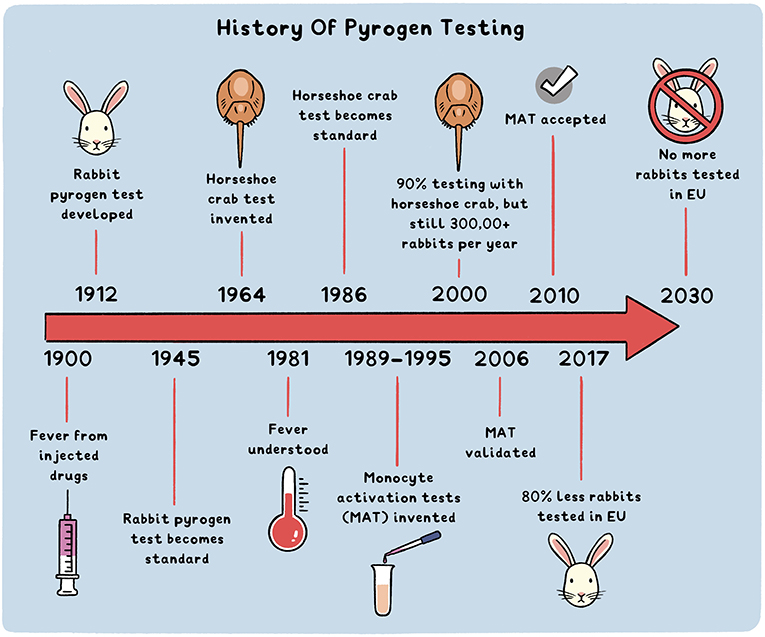
In silico models use computer simulations to predict how substances will behave in the human body. These models can analyze vast amounts of data from previous tests to identify potential risks and benefits of new products. In silico testing is particularly useful for screening large numbers of substances quickly and cost-effectively, making it an invaluable tool for the cosmetics industry.
Organs-on-chips are another groundbreaking development in the field of alternative testing. These microdevices mimic the structure and function of human organs, allowing researchers to study the effects of cosmetic ingredients in a controlled, human-relevant environment. For example, skin-on-a-chip models can simulate the interactions between different skin layers, providing detailed insights into how products will affect human skin.
While these alternative methods hold great promise, they are not without limitations. In vitro tests, for example, can sometimes fail to replicate the complexity of whole organisms, leading to incomplete safety data. Similarly, in silico models rely on existing data, which can limit their accuracy for entirely new substances. Organs-on-chips are still in the early stages of development and can be expensive to produce.
Despite these challenges, the benefits of alternative testing methods are clear. They offer a humane approach to safety testing, reducing the need for animal suffering. They also provide more accurate and relevant data for human health, helping to ensure that cosmetic products are both safe and effective. Furthermore, these methods can be more cost-effective and time-efficient than traditional animal tests, providing economic benefits to the industry.
The cosmetics industry is increasingly embracing these alternatives, driven by scientific advancements, regulatory changes, and consumer demand for cruelty-free products. By continuing to invest in and develop these methods, the industry can move towards a future where animal testing is no longer necessary.


No comments:
Post a Comment